Buy navr.eu ?
We are moving the project
navr.eu .
Are you interested in purchasing the domain
navr.eu ?
domain@kv-gmbh.de · 0541-91531010
Buy navr.eu ?
What are hard and soft location factors?
Hard location factors refer to tangible aspects of a location that can impact a business, such as infrastructure, transportation, labor availability, and proximity to suppliers or customers. Soft location factors, on the other hand, are intangible aspects like quality of life, access to cultural amenities, educational opportunities, and overall business environment. Both hard and soft location factors play a crucial role in determining the success and sustainability of a business in a particular location. **
Why are soft drinks called soft drinks?
Soft drinks are called soft drinks because they do not contain any alcohol, making them non-alcoholic beverages. The term "soft" is used to differentiate them from "hard" drinks, which do contain alcohol. Soft drinks are also carbonated, giving them a fizzy or bubbly texture, which adds to their distinction from other types of beverages. **


Similar search terms for Parklon-LaPure-Soft-Play
Top-Angebote
Products related to Parklon-LaPure-Soft-Play:

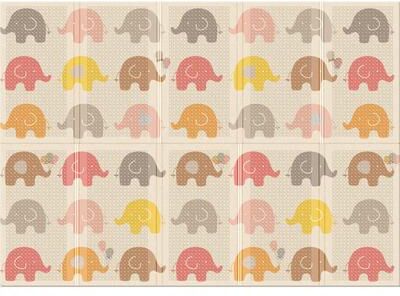


-
What is the difference between hard and soft location factors?
Hard location factors refer to tangible, physical aspects of a location such as infrastructure, transportation, and access to raw materials. These factors are typically more permanent and difficult to change. On the other hand, soft location factors are intangible aspects such as labor availability, quality of life, and proximity to markets. These factors are more subjective and can change over time. Both hard and soft location factors are important considerations for businesses when making location decisions. **
-
How can Google Maps know my location even when GPS is disabled?
Google Maps can still determine your location even when GPS is disabled by using a combination of other technologies such as Wi-Fi and cell tower signals. When GPS is turned off, Google Maps can use Wi-Fi signals from nearby routers and information from cell towers to approximate your location. This is known as "Wi-Fi positioning" or "cell tower triangulation," and it allows Google Maps to provide an estimated location based on the available signals in the area. However, this method may not be as accurate as GPS, but it can still give a general idea of your location. **
-
Are quantitative and qualitative location factors the same as hard and soft location factors?
Quantitative and qualitative location factors are not the same as hard and soft location factors. Quantitative factors refer to measurable data such as cost of labor, transportation infrastructure, and market size, while qualitative factors are more subjective and include factors such as quality of life, access to skilled labor, and proximity to suppliers. On the other hand, hard location factors are tangible and include things like infrastructure, transportation, and labor costs, while soft location factors are more intangible and include things like quality of life, cultural amenities, and access to education. While there may be some overlap between the two, they are distinct concepts with different implications for location decision-making. **
-
Are teeth soft?
No, teeth are not soft. Teeth are made up of the hardest substance in the human body, which is enamel. Enamel is a strong, mineralized tissue that protects the inner layers of the tooth. While teeth can be sensitive to pressure or temperature, they are not considered soft. **


Can you draw routes on maps, for example Google Maps?
As an AI language model, I don't have the capability to draw routes on maps, including Google Maps. However, you can easily draw routes on Google Maps by using the "Directions" feature, which allows you to input your starting point and destination to generate a route. Additionally, you can use the "My Maps" feature on Google Maps to create custom maps with routes and points of interest. **
How do you distinguish between external, internal, hard, and soft location factors?
External location factors refer to the external environment in which a business operates, such as market demand, competition, and government regulations. Internal location factors, on the other hand, are the internal characteristics of a business, such as the company's size, industry, and financial resources. Hard location factors are tangible and physical aspects of a location, such as infrastructure, transportation, and access to resources. Soft location factors, on the other hand, are intangible aspects such as the quality of life, labor availability, and cultural factors. Distinguishing between these factors involves considering the impact of both the external and internal environment on a business, as well as the tangible and intangible aspects of a location. By understanding the different factors, businesses can make informed decisions about where to locate and how to best leverage their environment for success. **
Top-Angebote
Products related to Parklon-LaPure-Soft-Play:
-
What are hard and soft location factors?
Hard location factors refer to tangible aspects of a location that can impact a business, such as infrastructure, transportation, labor availability, and proximity to suppliers or customers. Soft location factors, on the other hand, are intangible aspects like quality of life, access to cultural amenities, educational opportunities, and overall business environment. Both hard and soft location factors play a crucial role in determining the success and sustainability of a business in a particular location. **
-
Why are soft drinks called soft drinks?
Soft drinks are called soft drinks because they do not contain any alcohol, making them non-alcoholic beverages. The term "soft" is used to differentiate them from "hard" drinks, which do contain alcohol. Soft drinks are also carbonated, giving them a fizzy or bubbly texture, which adds to their distinction from other types of beverages. **
-
What is the difference between hard and soft location factors?
Hard location factors refer to tangible, physical aspects of a location such as infrastructure, transportation, and access to raw materials. These factors are typically more permanent and difficult to change. On the other hand, soft location factors are intangible aspects such as labor availability, quality of life, and proximity to markets. These factors are more subjective and can change over time. Both hard and soft location factors are important considerations for businesses when making location decisions. **
-
How can Google Maps know my location even when GPS is disabled?
Google Maps can still determine your location even when GPS is disabled by using a combination of other technologies such as Wi-Fi and cell tower signals. When GPS is turned off, Google Maps can use Wi-Fi signals from nearby routers and information from cell towers to approximate your location. This is known as "Wi-Fi positioning" or "cell tower triangulation," and it allows Google Maps to provide an estimated location based on the available signals in the area. However, this method may not be as accurate as GPS, but it can still give a general idea of your location. **
Similar search terms for Parklon-LaPure-Soft-Play
-
Are quantitative and qualitative location factors the same as hard and soft location factors?
Quantitative and qualitative location factors are not the same as hard and soft location factors. Quantitative factors refer to measurable data such as cost of labor, transportation infrastructure, and market size, while qualitative factors are more subjective and include factors such as quality of life, access to skilled labor, and proximity to suppliers. On the other hand, hard location factors are tangible and include things like infrastructure, transportation, and labor costs, while soft location factors are more intangible and include things like quality of life, cultural amenities, and access to education. While there may be some overlap between the two, they are distinct concepts with different implications for location decision-making. **
-
Are teeth soft?
No, teeth are not soft. Teeth are made up of the hardest substance in the human body, which is enamel. Enamel is a strong, mineralized tissue that protects the inner layers of the tooth. While teeth can be sensitive to pressure or temperature, they are not considered soft. **
-
Can you draw routes on maps, for example Google Maps?
As an AI language model, I don't have the capability to draw routes on maps, including Google Maps. However, you can easily draw routes on Google Maps by using the "Directions" feature, which allows you to input your starting point and destination to generate a route. Additionally, you can use the "My Maps" feature on Google Maps to create custom maps with routes and points of interest. **
-
How do you distinguish between external, internal, hard, and soft location factors?
External location factors refer to the external environment in which a business operates, such as market demand, competition, and government regulations. Internal location factors, on the other hand, are the internal characteristics of a business, such as the company's size, industry, and financial resources. Hard location factors are tangible and physical aspects of a location, such as infrastructure, transportation, and access to resources. Soft location factors, on the other hand, are intangible aspects such as the quality of life, labor availability, and cultural factors. Distinguishing between these factors involves considering the impact of both the external and internal environment on a business, as well as the tangible and intangible aspects of a location. By understanding the different factors, businesses can make informed decisions about where to locate and how to best leverage their environment for success. **
* All prices are inclusive of VAT and, if applicable, plus shipping costs. The offer information is based on the details provided by the respective shop and is updated through automated processes. Real-time updates do not occur, so deviations can occur in individual cases. ** Note: Parts of this content were created by AI.